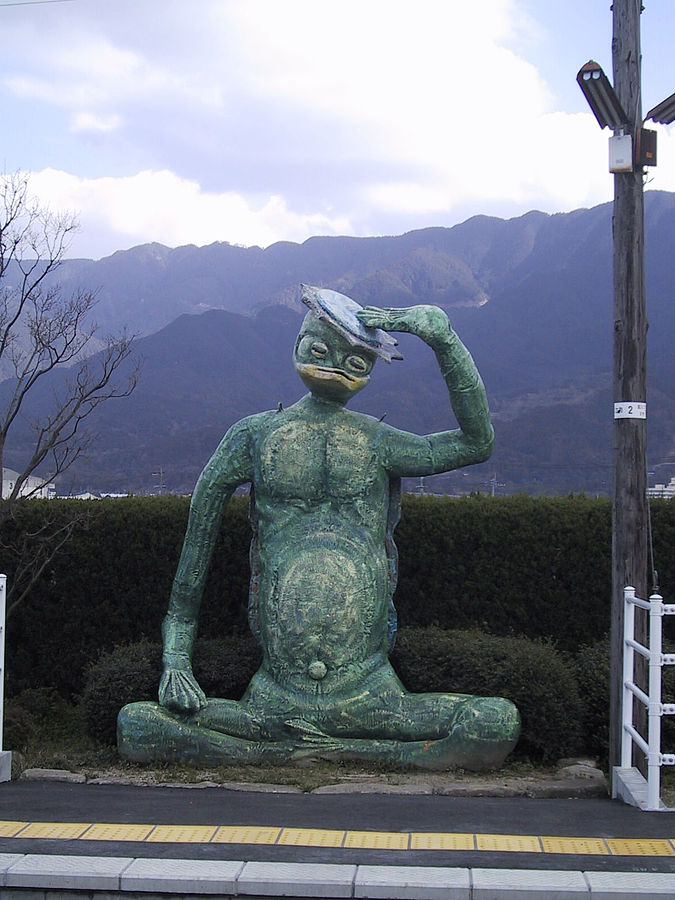
The Kappa is one of the many creatures in Japanese folklore. The origin of this yokai dates back to the Edo period, when it was considered a mischievous and dangerous being. It is often depicted in a humanoid form, about the size of a child, with a hollow on top of its head used to hold river water, which is the source of its power.
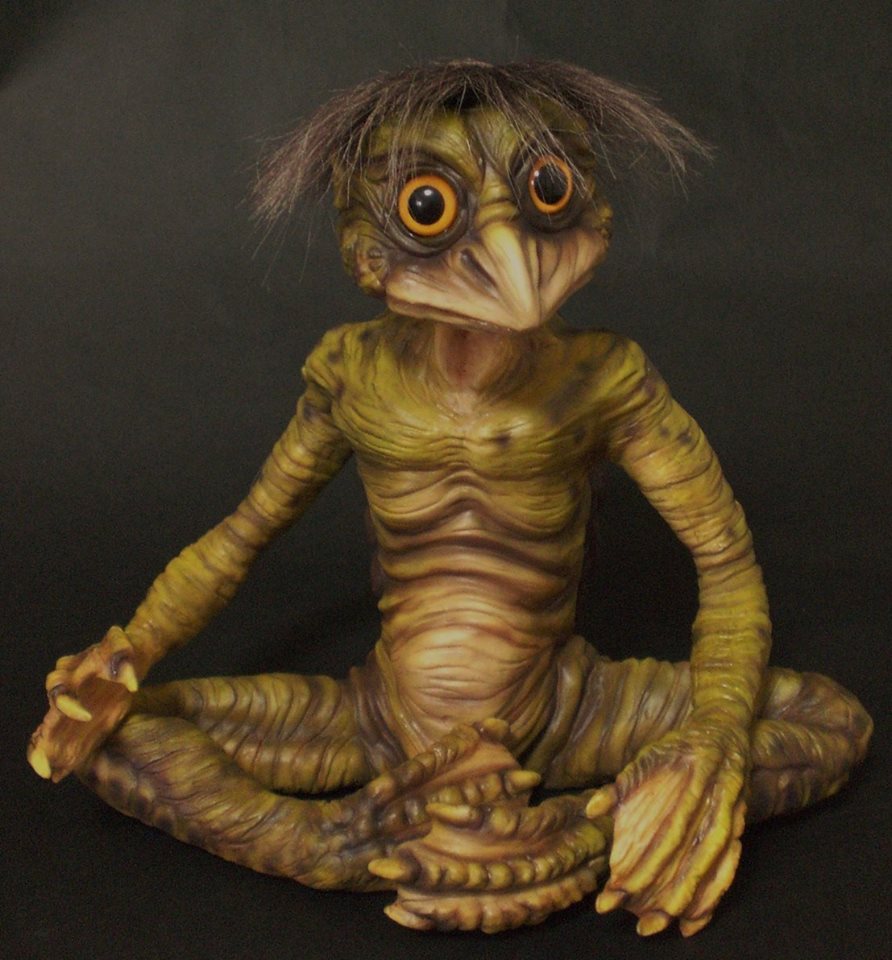
The Kappa was known for luring people near rivers—its natural habitat—in order to drown them and feed on their flesh. For this reason, children were strongly advised not to go too close to rivers. Even today, it is still possible to find old signs near some rivers warning: “Beware of Kappa.”
The Legend
According to the legend, if a Kappa touches you, you will fall under its control. There are only two ways to escape.
The first is to offer it a cucumber, as a gesture of gratitude to be spared. Kappa are said to prefer cucumbers over human flesh. It was therefore common to throw cucumbers into rivers, with one’s name—or one’s children’s names and birthdates—written on them, as an offering to the yokai for protection.
If you do not have a cucumber with you, you can simply bow in the Japanese manner. Since the Kappa is an extremely polite creature, it will bow back. At that moment, the water in the hollow of its head will spill out, causing the Kappa to lose its power and become paralyzed. You can then run away as fast and as far as possible.
Nowadays
Today, the Kappa appears widely in Japanese culture, from temples to animated films, and even in districts dedicated to it, like Kappabashi in Tokyo. It is one of the three most popular yokai in Japan, along with the tengu and the oni (demons).
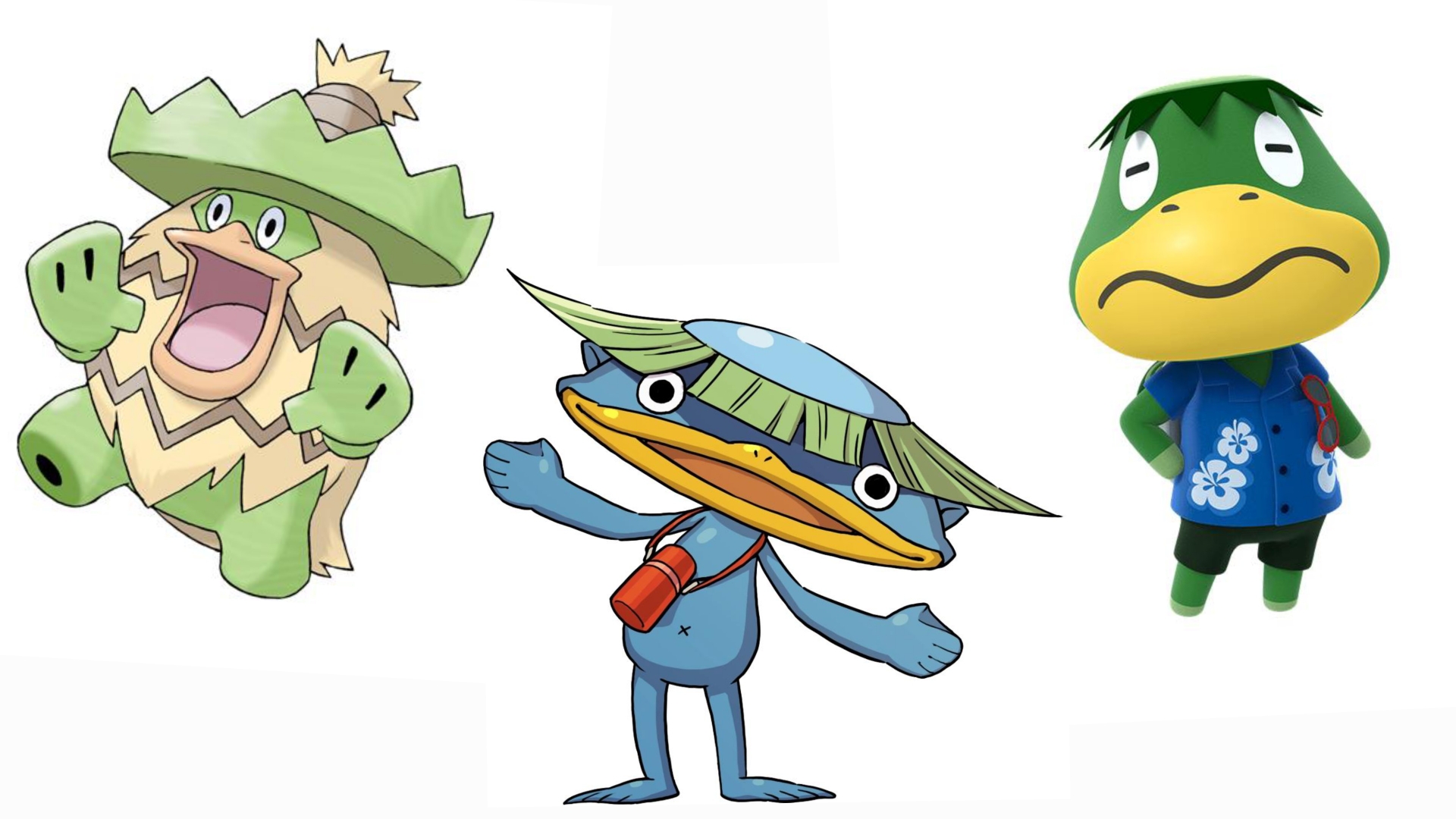
Among characters inspired by the Kappa, you can find Ludicolo in Pokémon, Walkappa in Yo-kai Watch, and Kapp’n in Animal Crossing.